Journal & Technical GuidesSnapSplit3D News, Tutorials & Release Notes
Step-by-step resin hollowing tutorials, printer tolerance guides, cosplay helmet workflows, and SnapSplit3D release logs.
tutorial 6 min read
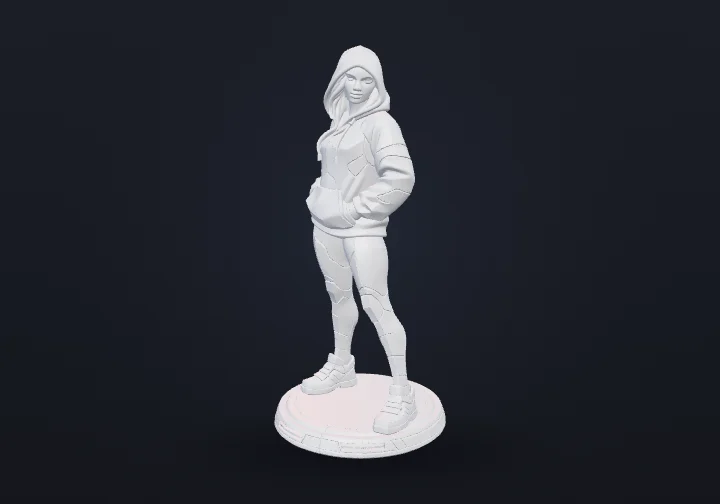
SnapSplit3D hollows whole resin statues in your browser before splitting using 0.1–50.0 mm walls (1.5–3.0 mm typical for statues), Open Bottom drainage, and live X/Y/Z Cutaway inspection. Checking internal walls first helps spot trapped resin pockets and thin pinches early before exporting Binary STL or ZIP parts to Chitubox or Lychee Slicer.

tutorial 7 min read
SnapSplit3D prepares STL, OBJ, and FBX files for 3D printing locally in your browser (0 Cloud Tokens) in four fixed steps: run Watertight Auto-Heal first, trim heavy meshes with Mesh Simplify (50% / 25% / 10%), orient the uncut model with Auto-Orient or Lay Flat, then hollow, split, and export Binary STLs.
tutorial 6 min read
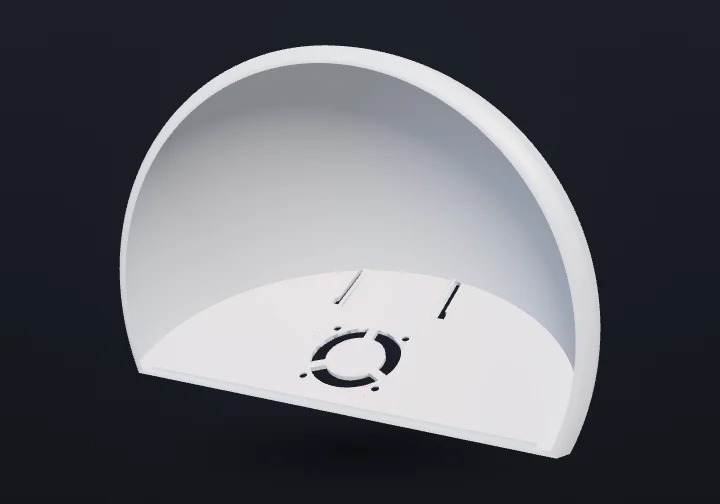
Bambu Studio and PrusaSlicer include reliable Cut tools (C key) for straight slices, plugs, and dowels—yet every slicer cut still slices along an infinite flat plane. SnapSplit3D goes further in your browser with Freehand, Snap Loop, 360° Loop, and Segment cuts so seams hug armor creases instead of crossing visors or fingers.
tutorial 6 min read
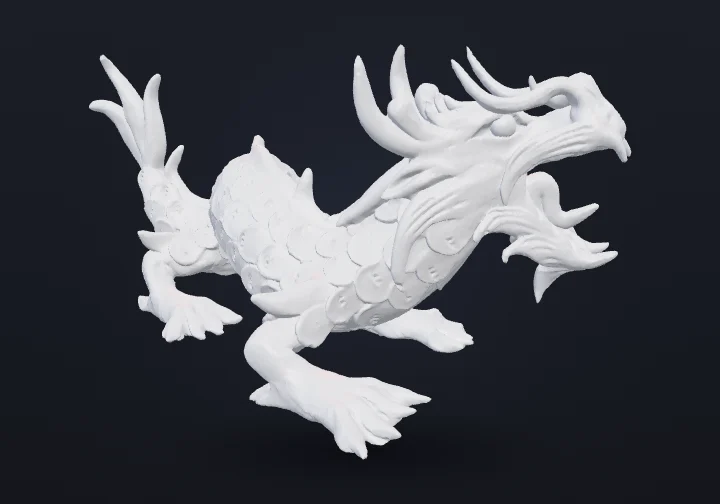
Ultimaker Cura includes no native alignment peg, dowel, or magnet pocket generator for oversized models. In SnapSplit3D, you set your Ender, Neptune, or Kobra build cage, slice with Plane Cut and auto-generated Peg connectors (0.20 mm starting FDM clearance), export a multi-part ZIP, unzip locally, and drop watertight STLs straight into Cura.
tutorial 7 min read
Single round dowels pivot while glue cures, twisting dragon wings and prop limbs out of position. In SnapSplit3D, pick Square Tapered Pegs or dual Manual Pins (0.20 mm default FDM clearance) to stop spin, Magnets (1–8 pockets) for removable covers, or Snap-Fit Sockets (Cut: Edge | Socket) for segmented limbs.
tutorial 6 min read
Small printed clip pins snap along weak Z-axis layer lines when action figures drop or cosplay props flex. Using Articulated Double Hinges with 1.75 mm filament pins in SnapSplit3D gives elbows and hinged visors smooth two-axis travel, 0.20–0.25 mm Gap clearance, and replaceable continuous-filament axles (Pro / Lifetime Client).

tutorial 6 min read
SnapSplit3D separates hair locks, capes, shoulder armor, and display bases along natural creases using AI Part Segmentation and Paint, Fill, Merge, and Smooth brushes. Splitting parts cleanly lets you hide supports on mating faces, prime and airbrush color groups separately, and key joints for clean assembly on Pro and Lifetime Client plans.
tutorial 7 min read
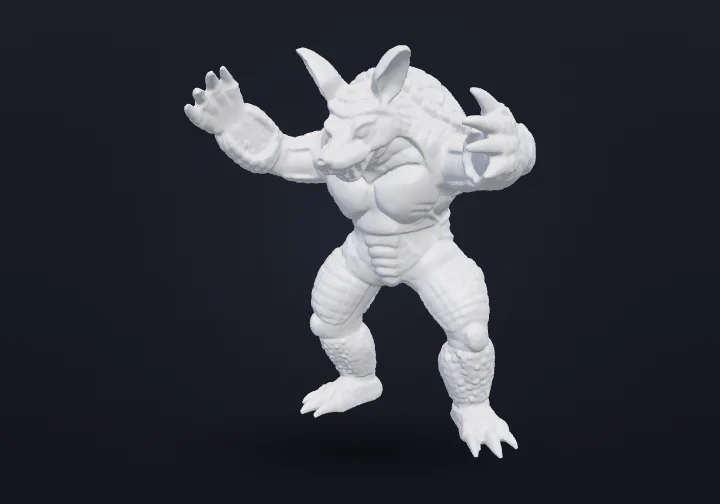
SnapSplit3D fixes non-manifold edges, open mesh seams, and inverted triangle faces locally in your browser using Watertight Auto-Heal (Fix Mesh / Repair mesh) at 0 Cloud Tokens. Supported STL, OBJ, and FBX files up to the 150 MB quick handoff limit stay on your device before exporting slicer-ready Binary STLs or ZIP archives.
tutorial 7 min read
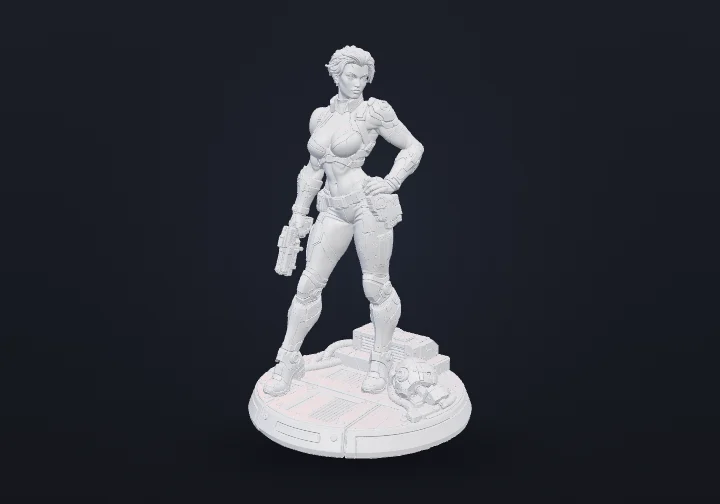
SnapSplit3D reduces STL, OBJ, and FBX polygon counts locally in your browser (0 Cloud Tokens) using Mesh Simplify presets at 50%, 25%, or 10% retention. Run Watertight Auto-Heal and orient your uncut base before simplifying or cutting so thin walls, sharp bevels, and connector clearances remain intact.
tutorial 7 min read
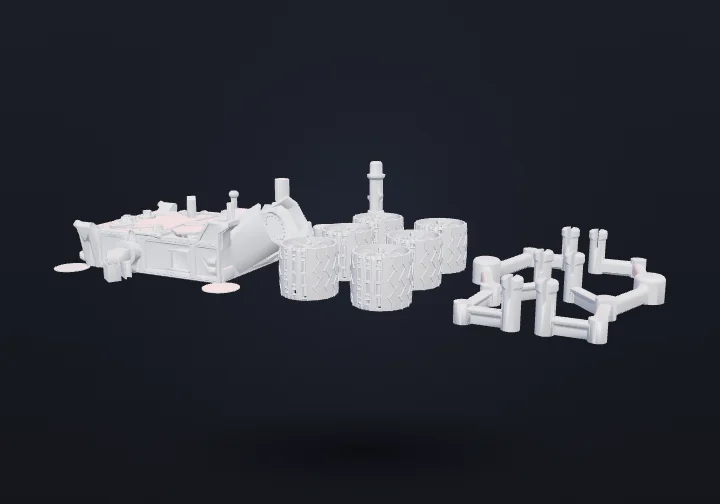
SnapSplit3D splits oversized tabletop terrain and scales 32 mm miniatures up to 75 mm busts directly in your browser using 3D Grid Split, Smart Auto-Split, and Plane Cut with Tapered Pegs or Magnet Pockets. Heal open edges and orient the uncut base first, then export labeled Binary STLs for 180 mm to 256 mm printers.